
Assessing Malingering: Foundational Issues and Developments
Presented by: Barry Rosenfeld, PhD, ABPP
 This on-demand professional training program on Assessing Malingering: Foundational Issues and Developments is presented by Barry Rosenfeld, PhD, ABPP.
This badge-earning program can be shared digitally on platforms like LinkedIn or your resume and counts toward a certificate. Enroll in this program to earn credit towards the Criminal Forensic Assessment Certificate and share your new digital credentials.
The assessment of malingering is one of the most important issues in forensic psychology. Moreover, this area of research continues to evolve rapidly, with new instruments, techniques, and evidence appearing on a regular basis.
This training provides foundational information that is helpful to and necessary for those with a more limited background in the assessment of feigning and malingering, as well as a more in-depth review of current issues in malingering assessment.
This training is appropriate for all forensic mental health professionals at all levels and settings. Part one focuses more on foundational issues, such as a review of research methods for evaluating feigning and the impact of research methodology (e.g., simulation versus known-groups designs, the use and type of coaching) on the accuracy and generalizability of published research findings. In addition, core types of feigning instruments, as well as an overview of well-established and commonly used measures, provide a foundation for a more nuanced understanding of the issues. Part two focuses more on novel instruments and applications of instruments, including those recently developed or revised, as well as the impact cultural and linguistic diversity or types of mental disorder(s) have on test findings
Upon completion of this training, participants will be able to:


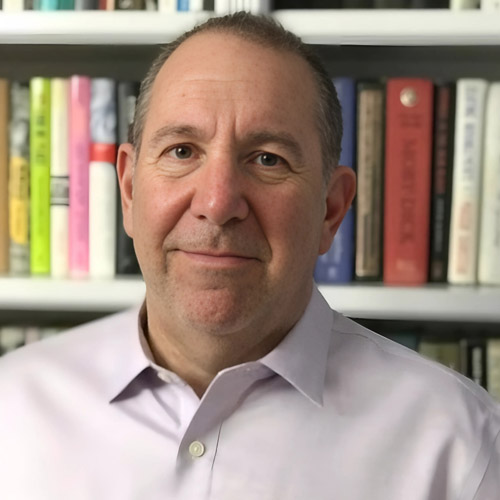
Dr. Rosenfeld is a Professor of Psychology at Fordham University in New York City. He has been conducting forensic mental health evaluations for more than 30 years, first in public settings (Bellevue Hospital and the New York City Forensic Psychiatry Clinic) and more recently through his independent practice. He has evaluated thousands of individuals facing criminal charges or involved in civil litigation, has published roughly 200 peer reviewed publications, and has trained or mentored forensic psychologists at every level (undergraduates, graduate students and post-doctoral trainees). He is board certified in Forensic Psychology and a past President of both the American Psychology-Law Society and the International Association for Forensic Mental Health Services. He is a frequent presenter on a range of forensic psychology topics including malingering, violence risk assessment and cross-cultural issues in forensic psychology.
Click the Icon Below to View More Programs by this Presenter

Palo Alto University, Continuing & Professional Studies (CONCEPT) is approved by, recognized by, or maintains sponsorship provider status with the following boards and agencies. We maintain responsibility for all content in our CE/CPD programs. For more information, visit here.
American Psychological Association (APA): Approved sponsor of continuing education for psychologists.
Association of Social Work Boards (ASWB): Approved continuing education provider (ACE program, Provider #1480), 11/22/2023–11/22/2026.
Canadian Psychological Association (CPA): Approved to sponsor continuing education for psychologists.
National Board for Certified Counselors (NBCC): Approved Continuing Education Provider (ACEP No. 7190).
Sponsorship Approval Statements
Palo Alto University, Continuing and Professional Studies (CONCEPT) is approved by the American Psychological Association to sponsor continuing education for psychologists. Palo Alto University, Continuing and Professional Studies (CONCEPT), is approved by the Canadian Psychological Association to offer continuing education for psychologists. Palo Alto University, Continuing and Professional Studies (CONCEPT) has been approved by NBCC as an Approved Continuing Education Provider, ACEP No. 7190. Programs that do not qualify for NBCC credit are clearly identified. Palo Alto University, #1480, is approved to offer social work continuing education by the Association of Social Work Boards (ASWB) Approved Continuing Education (ACE) program. Organizations, not individual courses, are approved as ACE providers. State and provincial regulatory boards have the final authority to determine whether an individual course may be accepted for continuing education credit. Palo Alto University maintains responsibility for this course. ACE provider approval period 11/22/23-11/22/26. Social workers completing this course receive (clinical or social work ethics) continuing education credits. Continuing and Professional Studies, Palo Alto University, is recognized by the New York State Education Department's State Board for Psychology as an approved provider of continuing education for licensed psychologists #PSY-0103. Palo Alto University, Continuing and Professional Studies (CONCEPT) is solely responsible for all aspects of the programs. Palo Alto University, Continuing & Professional Studies (CONCEPT), is recognized by the New York State Education Department's State Board for Social Work as an approved provider of continuing education for licensed social workers #SW-0356. Palo Alto University, Continuing and Professional Studies, is recognized by the New York State Education Department’s State Board for Mental Health Practitioners as an approved provider of continuing education for licensed mental health counselors. #MHC-0073.