
AAFP: Competence to Stand Trial Evaluations & Competency Trainings
Presented by: Mary Elizabeth Wood, PhD, ABPP
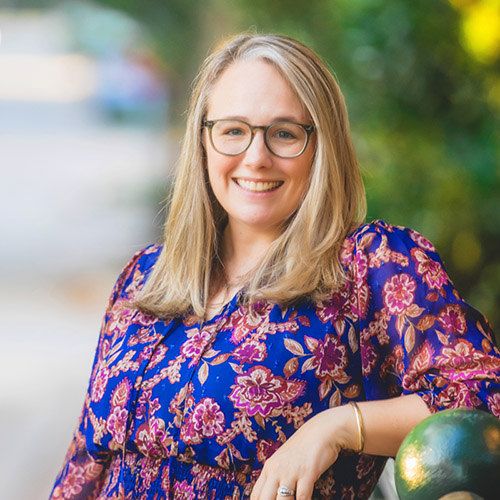 This on-demand professional training program on AAFP: Competence to Stand Trial Evaluations & Competency Training is presented by Mary Elizabeth Wood, PhD, ABPP in partnership with American Academy of Forensic Psychology (AAFP).
This training will review the unique challenges and complications that arise when evaluating defendants with Intellectual Disability (ID) in the context of adjudicative competence concerns, as well as when providing competency restoration services. The focus of the workshop will be on the provision of practical and detailed recommendations for how to modify standard practices and procedures to more flexibly accommodate the needs of this population.
This will include a review of clinical interview modifications, psychological testing considerations, and examples of ways to modify the process to aid in data collection and interpretation. In sum, the focus is on the need for contextual modifications to reduce the incongruence between an individual’s capacity and the demands of the situation (e.g., whether the evaluation, restoration/training, and/or trial process), along with the analogous concept of reasonable accommodations set forth by the Americans with Disabilities Act (2000).
This training is intended for forensic mental health professionals with experience conducting evaluations of CST, whether in private practice, hospital, or correctional settings.
Upon completion of this training, participants will be able to:


Dr. Wood joined the faculty at Sam Houston State University in 2024. She completed her Ph.D. in Clinical Psychology with a concentration in Psychology and the Law from the University of Alabama, where she completed focused coursework, research, and clinical work in forensic psychology. She subsequently completed her predoctoral internship and postdoctoral fellowship in Forensic Psychology at Patton State Hospital. From 2017-2024, Dr. Wood was faculty in the Department of Psychiatry and Behavioral Sciences at Vanderbilt University Medical Center (VUMC). While there, Dr. Wood was a member of the Vanderbilt Forensic Evaluation Team and primary faculty in the Vanderbilt Forensic Psychiatry Clinic. She was also a supervisor in the Forensic Psychology Internship Program, and she was the director of the Forensic Psychology Postdoctoral Fellowship. Dr. Wood maintains a voluntary faculty appointment in the VUMC Psychiatry Department, where she continues to be the primary research supervisor for both the forensic intern and postdoctoral fellow (see below for current and former trainees).
Dr. Wood is licensed as a psychologist in Tennessee, Texas, and through PSYPACT. She is also board certified in Forensic Psychology through the American Board of Professional Psychology (ABPP). She has conducted over 1,500 forensic evaluations for a myriad of issues including adjudicative competence, conservatorship, capacity to waive Miranda, mental state at the time of the alleged offense, sentencing mitigation, Atkins, etc., and she has testified numerous times in juvenile, criminal, and federal courts. Dr. Wood’s primary clinical and research interests fall at the interface of psychology and the law, with a particular emphasis on the appropriate identification, assessment, and treatment of individuals with Intellectual Disability (ID) in forensic settings. She has provided trainings to various groups of professionals, including trainees, mental health providers, and lawyers, in addition to frequently serving as an expert witness in this area. She is principal owner of Wood Forensic Evaluation & Consulting, PLLC, where she continues to conduct forensic evaluations and consult with legal professionals, as well as provide trainings nationwide.
Professionally, Dr. Wood is a member of the American Psychological Association (APA), the American Psychology-Law Society (AP-LS), and the American Association of Intellectual and Developmental Disabilities (AAIDD), and she is a fellow of the American Board of Forensic Psychology (ABFP). She is actively involved in service as well, including as a member of the AP-LS Research Committee, and as member of both the Examination Faculty and Board of Directors for ABFP.
Click the Icon Below to View More Programs by this Presenter

We are proud to partner with the American Academy of Forensic Psychology (AAFP) for this training. AAFP is a non-profit organization of board-certified forensic psychologists whose mission is to contribute to the development and maintenance of forensic psychology as a specialized field of study, research, and practice. The Academy does this by providing high-quality continuing education workshops, providing a forum for the exchange of scientific information among its members, and conferring awards upon outstanding students and practitioners in the field of forensic psychology.
Palo Alto University, Continuing & Professional Studies (CONCEPT) is approved by, recognized by, or maintains sponsorship provider status with the following boards and agencies. We maintain responsibility for all content in our CE/CPD programs. For more information, visit here.
American Psychological Association (APA): Approved sponsor of continuing education for psychologists.
Association of Social Work Boards (ASWB): Approved continuing education provider (ACE program, Provider #1480), 11/22/2023–11/22/2026.
Canadian Psychological Association (CPA): Approved to sponsor continuing education for psychologists.
National Board for Certified Counselors (NBCC): Approved Continuing Education Provider (ACEP No. 7190).
Sponsorship Approval Statements
Palo Alto University, Continuing and Professional Studies (CONCEPT) is approved by the American Psychological Association to sponsor continuing education for psychologists. Palo Alto University, Continuing and Professional Studies (CONCEPT), is approved by the Canadian Psychological Association to offer continuing education for psychologists. Palo Alto University, Continuing and Professional Studies (CONCEPT) has been approved by NBCC as an Approved Continuing Education Provider, ACEP No. 7190. Programs that do not qualify for NBCC credit are clearly identified. Palo Alto University, #1480, is approved to offer social work continuing education by the Association of Social Work Boards (ASWB) Approved Continuing Education (ACE) program. Organizations, not individual courses, are approved as ACE providers. State and provincial regulatory boards have the final authority to determine whether an individual course may be accepted for continuing education credit. Palo Alto University maintains responsibility for this course. ACE provider approval period 11/22/23-11/22/26. Social workers completing this course receive (clinical or social work ethics) continuing education credits. Continuing and Professional Studies, Palo Alto University, is recognized by the New York State Education Department's State Board for Psychology as an approved provider of continuing education for licensed psychologists #PSY-0103. Palo Alto University, Continuing and Professional Studies (CONCEPT) is solely responsible for all aspects of the programs. Palo Alto University, Continuing & Professional Studies (CONCEPT), is recognized by the New York State Education Department's State Board for Social Work as an approved provider of continuing education for licensed social workers #SW-0356. Palo Alto University, Continuing and Professional Studies, is recognized by the New York State Education Department’s State Board for Mental Health Practitioners as an approved provider of continuing education for licensed mental health counselors. #MHC-0073.