
Using the MMPI-3 for Psychologists in Personal Injury/Disability and Family Court Matters
Presented by: Martin Sellbom, PhD
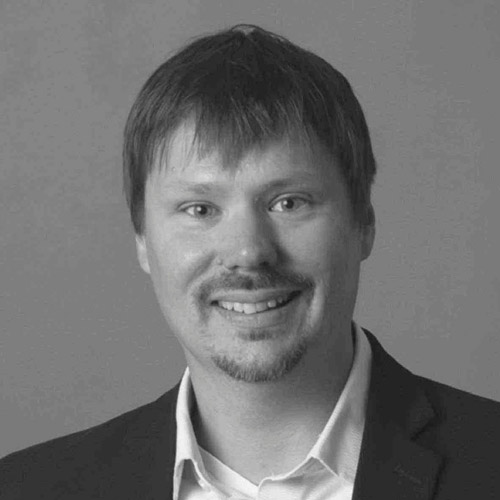 This on-demand professional training program on Using the MMPI-3 for Psychologists in Personal Injury/Disability and Family Court Matters is presented by Martin Sellbom, PhD.
This program introduces the 335-item MMPI-3, the most recent version of the MMPI instruments, for use in psychological practice. The first section covers introductory materials and touches on the rationale for the current version and understanding the nature of the new normative sample. There is an overview of the MMPI-3 scales and basic psychometrics and research.
The basic foundations of administration, scoring, and interpretation will be described. The second section of the program focuses on MMPI-3 applications in the areas of civil litigation, and in particular, personal injury/disability and family court evaluations. Considerations for using the MMPI-3 in each of these areas are considered, including a review of empirical research to support its use. Case illustrations from both personal injury/disability and family court contexts are included.
This program is intended for licensed psychologists, forensic psychologists, and other mental health professionals who conduct psychological assessments in clinical or legal settings. It is especially relevant for those involved in personal injury, disability, and family court evaluations. The program is also suitable for postdoctoral fellows and advanced graduate students looking to deepen their knowledge of the MMPI-3 and its practical applications.
Upon completion of this training, participants will be able to:


Martin Sellbom is a Professor in the School of Psychological Sciences at Monash University in Melbourne, Australia. He received his Ph.D. in Clinical Psychology in 2007 from Kent State University (USA). His research focuses on personality disorders, contemporary psychopathology models, and personality assessment with the MMPI instruments. Professor Sellbom's work has been featured in over 300 publications that includes four books, including the forthcoming (co-authored with Dustin Wygant) Forensic Mental Health Assessments using the MMPI-3. He has won several awards, including the American Psychological Foundation’s Theodore Millon mid-career award for advancing personality science, American Psychology-Law Society’s Saleem Shah Award and Society for Personality Assessment’s Samuel and Anne Beck Award for early career achievement. Professor Sellbom serves as the Editor-in-Chief for the Journal of Personality Assessment. For his clinical practice, he specializes in forensic psychological evaluations.
Click the Icon Below to View More Programs by this Presenter
Key topics covered in this training include:
Introduction to the MMPI instruments
Description of 52 MMPI-3 scales
Coverage of MMPI-3 normative sample and basic psychometric findings
Review of administration, scoring, and interpretation of MMPI-3
Considerations for using the MMPI-3 in personal injury and disability evaluations
Review of research to support use in this context
Case illustrations from personal injury/disability contexts
Considerations for using the MMPI-3 in family court evaluations
Review of research to support use in this context
Case illustrations from family court contexts

Palo Alto University, Continuing & Professional Studies (CONCEPT) is approved by, recognized by, or maintains sponsorship provider status with the following boards and agencies. We maintain responsibility for all content in our CE/CPD programs. For more information, visit here.
American Psychological Association (APA): Approved sponsor of continuing education for psychologists.
Association of Social Work Boards (ASWB): Approved continuing education provider (ACE program, Provider #1480), 11/22/2023–11/22/2026.
Canadian Psychological Association (CPA): Approved to sponsor continuing education for psychologists.
National Board for Certified Counselors (NBCC): Approved Continuing Education Provider (ACEP No. 7190).
Sponsorship Approval Statements
Palo Alto University, Continuing and Professional Studies (CONCEPT) is approved by the American Psychological Association to sponsor continuing education for psychologists. Palo Alto University, Continuing and Professional Studies (CONCEPT), is approved by the Canadian Psychological Association to offer continuing education for psychologists. Palo Alto University, Continuing and Professional Studies (CONCEPT) has been approved by NBCC as an Approved Continuing Education Provider, ACEP No. 7190. Programs that do not qualify for NBCC credit are clearly identified. Palo Alto University, #1480, is approved to offer social work continuing education by the Association of Social Work Boards (ASWB) Approved Continuing Education (ACE) program. Organizations, not individual courses, are approved as ACE providers. State and provincial regulatory boards have the final authority to determine whether an individual course may be accepted for continuing education credit. Palo Alto University maintains responsibility for this course. ACE provider approval period 11/22/23-11/22/26. Social workers completing this course receive (clinical or social work ethics) continuing education credits. Continuing and Professional Studies, Palo Alto University, is recognized by the New York State Education Department's State Board for Psychology as an approved provider of continuing education for licensed psychologists #PSY-0103. Palo Alto University, Continuing and Professional Studies (CONCEPT) is solely responsible for all aspects of the programs. Palo Alto University, Continuing & Professional Studies (CONCEPT), is recognized by the New York State Education Department's State Board for Social Work as an approved provider of continuing education for licensed social workers #SW-0356. Palo Alto University, Continuing and Professional Studies, is recognized by the New York State Education Department’s State Board for Mental Health Practitioners as an approved provider of continuing education for licensed mental health counselors. #MHC-0073.