
Severe Mental Illness and Metabolic Dysfunction
Presented by: Jerrod Brown, PhD
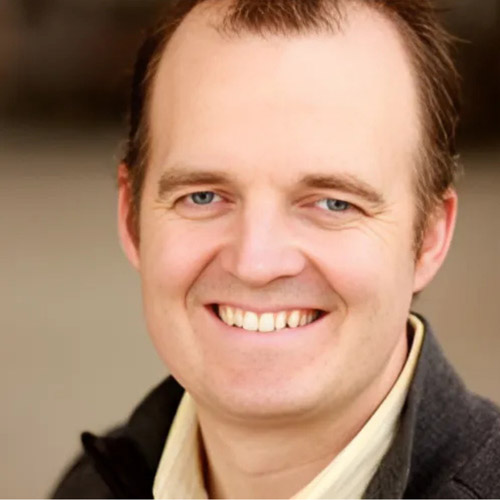
This on-demand professional training program on Severe Mental Illness and Metabolic Dysfunction is presented by Jerrod Brown, PhD.
This badge-earning program can be shared digitally on platforms like LinkedIn or your resume and counts towards a certificate. Enroll in this program to earn credit towards the Integrated Behavioral Health Certificate and share your new digital credentials with prospective employers and colleagues.
Individuals with serious mental health conditions typically experience metabolic dysfunction at higher rates than the general population. This program explores possible causes and contributing factors for metabolic dysfunction in this population, along with their associated consequences.
Implications for screening, interviewing, and intervention through an integrated behavioral health lens are highlighted throughout this program. Empirically based research findings are highlighted throughout this program.
Upon completion of this training, participants will be able to:


Jerrod Brown, Ph.D., M.A., M.S., M.S., M.S., is a professor, trainer, researcher, and consultant with multiple years of experience teaching collegiate courses. Jerrod is also the founder and CEO of the American Institute for the Advancement of Forensic Studies (AIAFS). Jerrod has also provided consultation services to a number of caregivers, professionals, and organizations pertaining to topics related to autism spectrum disorder (ASD), fetal alcohol spectrum disorder (FASD), confabulation, suggestibility, trauma, and other life adversities, traumatic brain injury (TBI), and youth firesetting. Jerrod has completed four separate master’s degree programs and holds graduate certificates in Neuropsychology, Autism Spectrum Disorder (ASD), Other Health Disabilities (OHD), and Traumatic-Brain Injuries (TBI). Jerrod has also conducted over 200 workshops, webinars, and on-demand training for various organizations and professional and student audiences. In 2021, Jerrod completed a post-doctoral certificate in Leadership and Organizational Strategy from Walden University and a Professional Certificate in Forensic Psychology from San Diego State University Global Campus. Currently, Jerrod is pursuing a graduate certificate in Neuroscience and Law from Michigan State University. Jerrod has published several articles and book chapters and recently co-edited the book Forensic Mental Health: A Source Guide for Professionals (Brown & Weinkauf, 2018) with Erv Weinkauf. Jerrod is also regularly featured on several national and international podcast programs.
Key topics covered in this training include:
Unhealthy lifestyle behavior, problematic coping strategies, and substance misuse
Trauma and psychological distress
Hypothalamus-pituitary-adrenal (HPA) axis dysfunction
Therapeutic lifestyle changes
Chronic low-grade inflammation
Somatic comorbidities
Health disparities
Socioeconomic factors
Sleep disturbances
Emotional dysregulatio, loneliness, and social isolation

Palo Alto University, Continuing & Professional Studies (CONCEPT) is approved by, recognized by, or maintains sponsorship provider status with the following boards and agencies. We maintain responsibility for all content in our CE/CPD programs. For more information, visit here.
American Psychological Association (APA): Approved sponsor of continuing education for psychologists.
Association of Social Work Boards (ASWB): Approved continuing education provider (ACE program, Provider #1480), 11/22/2023–11/22/2026.
Canadian Psychological Association (CPA): Approved to sponsor continuing education for psychologists.
National Board for Certified Counselors (NBCC): Approved Continuing Education Provider (ACEP No. 7190).
Sponsorship Approval Statements
Palo Alto University, Continuing and Professional Studies (CONCEPT) is approved by the American Psychological Association to sponsor continuing education for psychologists. Palo Alto University, Continuing and Professional Studies (CONCEPT), is approved by the Canadian Psychological Association to offer continuing education for psychologists. Palo Alto University, Continuing and Professional Studies (CONCEPT) has been approved by NBCC as an Approved Continuing Education Provider, ACEP No. 7190. Programs that do not qualify for NBCC credit are clearly identified. Palo Alto University, #1480, is approved to offer social work continuing education by the Association of Social Work Boards (ASWB) Approved Continuing Education (ACE) program. Organizations, not individual courses, are approved as ACE providers. State and provincial regulatory boards have the final authority to determine whether an individual course may be accepted for continuing education credit. Palo Alto University maintains responsibility for this course. ACE provider approval period 11/22/23-11/22/26. Social workers completing this course receive (clinical or social work ethics) continuing education credits. Continuing and Professional Studies, Palo Alto University, is recognized by the New York State Education Department's State Board for Psychology as an approved provider of continuing education for licensed psychologists #PSY-0103. Palo Alto University, Continuing and Professional Studies (CONCEPT) is solely responsible for all aspects of the programs. Palo Alto University, Continuing & Professional Studies (CONCEPT), is recognized by the New York State Education Department's State Board for Social Work as an approved provider of continuing education for licensed social workers #SW-0356. Palo Alto University, Continuing and Professional Studies, is recognized by the New York State Education Department’s State Board for Mental Health Practitioners as an approved provider of continuing education for licensed mental health counselors. #MHC-0073.