
Forensic Evaluation of Workplace Disability
Presented by: Lisa Drago, PhD, ABPP
April 21-22, 2026 | 9:00 AM - 5:00 PM Pacific
16 Hours | 14 CEs
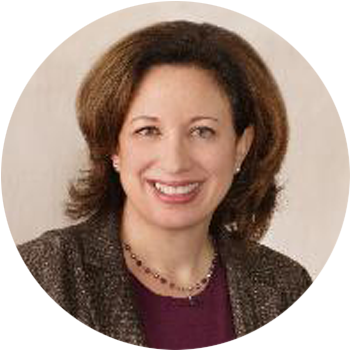
Lisa Drago, PhD, ABPP, presents a live virtual professional training program on Forensic Evaluation of Workplace Disability.
This live virtual training takes place over two days from 9:00 am - 5:00 pm PST.
This badge-earning program can be shared digitally on platforms like LinkedIn or your resume and counts towards various certificates. Enroll to earn credit and share your new digital credentials with prospective employers and colleagues. This program counts as a foundational program in the certificates: Civil Forensic Assessment Certificate.
This two-day program provides a conceptual framework and practical strategies for forensic evaluations in matters involving disability statuses such as ADA, disability insurance, and workers’ compensation. The program begins with an overview of various types of disability cases, emphasizing the underlying legal context.
This program will explore the basis for evaluating a disability, with a focus on functional assessment. Specific subtopics include avoiding ethical pitfalls, understanding the role of diagnosis, and assessing dissimulation. This is followed by a discussion of practical strategies for designing an effective assessment, organizing and weighing data, and communicating the findings. Participants will have the opportunity to practice these skills through in-depth case studies, which include background information, test data, and collateral materials.
Upon completion of this training, participants will be able to:


Lisa Drago, Ph.D., ABPP is a board-certified forensic psychologist (ABPP). Specializing in civil forensic matters, Dr. Drago is in private practice in Annapolis, Maryland. She has a particular interest in employment-related cases including disability, wrongful termination, sexual harassment, ADA, fitness for duty, and workplace violence. She regularly conducts evaluations in disability, workers’ compensation, personal injury, fitness for duty, and security clearance cases. She has testified as an expert witness on these matters in both state and federal courts. In addition, Dr. Drago serves as a consultant to the U.S. Department of State Forensic Behavioral Science Service regarding fitness for duty and security issues. Dr. Drago has served as president of the American Board of Forensic Psychology. She was chair of the American Psychological Association Committee on Professional Practice and Standards, and co-chair of the American Psychological Association Committee on Legal Issues. She served on the Taskforce for the Revision of the Specialty Guidelines for Forensic Psychology. Dr. Drago is the author of the book Best Practices for Forensic Mental Health Assessment: Evaluation of Workplace Disability as well as a number of book chapters and articles on topics related to personal injury, fitness for duty, ADA, psychological assessment, and disability. She has provided professional training on these topics for the American Psychological Association, the American Bar Association, the American Academy of Forensic Psychology, and the British Psychological Society. She has presented extensively on civil forensic evaluations around the U.S., as well as in Canada, Scotland, Austria, and the Czech Republic. Dr. Drago was the 2018 recipient of the Beth and Charlie Clark Award, a lifetime achievement award given by the American Academy of Forensic Psychology in recognition of an extraordinary level of service to the profession of forensic psychology.
Key topics covered in this training include:
Introduction to disability evaluation
Legal framework
Ethical issues
Conceptualizing disability: diagnosis, functioning, context
Designing the assessment
Data interpretation
Report writing

Palo Alto University, Continuing & Professional Studies (CONCEPT) is approved by, recognized by, or maintains sponsorship/ provider status with the following boards and agencies. We maintain responsibility for all content in our CE/CPD programs. For more information, visit here.
American Psychological Association (APA): Approved sponsor of continuing education for psychologists.
Association of Social Work Boards (ASWB): Approved continuing education provider (ACE program, Provider #1480), 11/22/2023–11/22/2026.
Canadian Psychological Association (CPA): Approved to sponsor continuing education for psychologists.
National Board for Certified Counselors (NBCC): Approved Continuing Education Provider (ACEP No. 7190).
Palo Alto University, Continuing and Professional Studies (CONCEPT) is approved by the American Psychological Association to sponsor continuing education for psychologists. Palo Alto University, Continuing and Professional Studies (CONCEPT) maintains responsibility for this program and its content. Palo Alto University, Continuing and Professional Studies (CONCEPT) is approved by the Canadian Psychological Association to offer continuing education for psychologists. Palo Alto University, Continuing and Professional Studies (CONCEPT), SW CPE is recognized by the New York State Education Department’s State Board for Social Work as an approved provider of continuing education for licensed social workers #SW-0356 and the New York State Education Department’s State Board for Mental Health Practitioners as an approved provider of continuing education for licensed mental health counselors. #MHC-0073. Palo Alto University, Continuing and Professional Studies (CONCEPT) has been approved by NBCC as an Approved Continuing Education Provider, ACEP No. 6811. Programs that do not qualify for NBCC credit are clearly identified. CONCEPT Professional Training, #1480, is approved to offer social work continuing education by the Association of Social Work Boards (ASWB) Approved Continuing Education (ACE) program. Organizations, not individual courses, are approved as ACE providers. State and provincial regulatory boards have the final authority to determine whether an individual course may be accepted for continuing education credit. CONCEPT Professional Training maintains responsibility for this course. ACE provider approval period: 11/22/23-11/22/26. Social workers completing this course receive (clinical or social work ethics) continuing education credits.