
Effective Parent Consultations in Play Therapy
Presented by: Rochelle Ritzi, PhD
September 29, 2026 | 9:00 AM - 10:00 AM Pacific
1 Hour | 1 CE
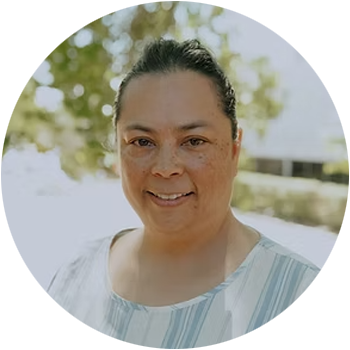
Rochelle Ritzi, PhD, presents a live virtual professional training program on Effective Parent Consultations in Play Therapy.
To increase effectiveness, play therapists need to not only work with children, but their caregivers. A goal of a play therapist is to develop a relationship with parents and caregivers so that they feel accepted, understood, and safe in order for them to receive feedback, including encouragement and skill-building, from the play therapist.
Participants in this training will gain knowledge and practical skills to include parents and caregivers in the play therapy process so that children gain the most benefit from play therapy. Participants will also increase their confidence in building the therapist-caregiver relationship with caregivers who are eager to be included, as well as caregivers who are resistant to change or feedback.
This training is intended for clinicians at any stage in their play therapy learning, but especially for beginning play therapists or those who are still under play therapy supervision, including participants who would be interested in working with children and participants who work in an agency, school, or private practice settings.
Upon completion of this training, participants will be able to:


Rochelle is a Licensed Professional Counselor Supervisor, National Certified Counselor, Registered Play Therapist Supervisor, Certified First Responder Counselor, and an adjunct professor at the University of North Texas and Palo Alto University. Rochelle holds a Doctoral degree in Counseling, with a specialty in Play Therapy from the University of North Texas. There, she became a Certified Child-Centered Play Therapist Supervisor/Trainer, and a Certified Child-Parent Relationship Therapy Supervisor/Trainer. Rochelle is a Past President of the Texas Association for Play Therapy, and served on the board at the North Texas Chapter of TAPT. She has published in the field, as well as travels nationally and internationally supporting play therapy and clinical research, Rochelle is a co-owner/founder of Bright Spot Counseling Center in Richardson, Texas, where she works with individuals and groups of all ages. She also enjoys being involved in the Deaf/Hard of Hearing culture and is fluent in ASL.
Key topics covered in this training include:
Basic ideas of play therapy
Important skills therapists use in sessions (shown with videos and simple activities)
How to talk with parents about their child’s play therapy
Simple ways to help parents support their child at home
Palo Alto University, Continuing & Professional Studies (CONCEPT) is approved by, recognized by, or maintains sponsorship/ provider status with the following boards and agencies. We maintain responsibility for all content in our CE/CPD programs. For more information, visit here.
American Psychological Association (APA): Approved sponsor of continuing education for psychologists.
Association of Social Work Boards (ASWB): Approved continuing education provider (ACE program, Provider #1480), 11/22/2023–11/22/2026.
Canadian Psychological Association (CPA): Approved to sponsor continuing education for psychologists.
National Board for Certified Counselors (NBCC): Approved Continuing Education Provider (ACEP No. 7190).
Palo Alto University, Continuing and Professional Studies (CONCEPT) is approved by the American Psychological Association to sponsor continuing education for psychologists. Palo Alto University, Continuing and Professional Studies (CONCEPT) maintains responsibility for this program and its content. Palo Alto University, Continuing and Professional Studies (CONCEPT) is approved by the Canadian Psychological Association to offer continuing education for psychologists. Palo Alto University, Continuing and Professional Studies (CONCEPT), SW CPE is recognized by the New York State Education Department’s State Board for Social Work as an approved provider of continuing education for licensed social workers #SW-0356 and the New York State Education Department’s State Board for Mental Health Practitioners as an approved provider of continuing education for licensed mental health counselors. #MHC-0073. Palo Alto University, Continuing and Professional Studies (CONCEPT) has been approved by NBCC as an Approved Continuing Education Provider, ACEP No. 6811. Programs that do not qualify for NBCC credit are clearly identified. CONCEPT Professional Training, #1480, is approved to offer social work continuing education by the Association of Social Work Boards (ASWB) Approved Continuing Education (ACE) program. Organizations, not individual courses, are approved as ACE providers. State and provincial regulatory boards have the final authority to determine whether an individual course may be accepted for continuing education credit. CONCEPT Professional Training maintains responsibility for this course. ACE provider approval period: 11/22/23-11/22/26. Social workers completing this course receive (clinical or social work ethics) continuing education credits.