
Beyond the Constructs: Navigating Complexities in Insanity Evaluation Best Practices in Multi-Method, Multi-Source Assessment
Presented by: Maureen Reardon, PhD, ABPP
January 29, 2027 | 9:00 AM - 1:00 PM Pacific
4 Hours | 4 CEs
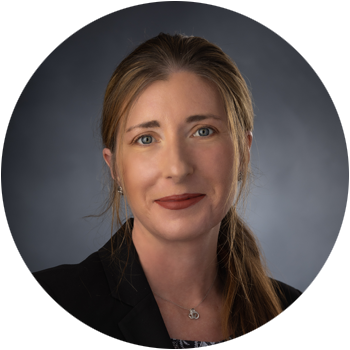
Maureen Reardon, PhD, ABPP, presents a live virtual professional training program on Beyond the Constructs: Navigating Complexities in Insanity Evaluation Best Practices in Multi-Method, Multi-Source Assessment in partnership with the American Academy of Forensic Psychology (AAFP).
As the second installment in a three-part workshop series, this program provides an in-depth examination of commonly encountered challenges when conducting sanity evaluations. After a brief review of the modern insanity constructs covered in Part I, participants will be guided through a systematic, multi-method, multi-source approach to gathering data most pertinent to the retrospective reconstruction of a mental state at the time of the offense. Utilizing illustrative case examples, emphasis is placed on practical strategies for evaluating each of the cognitive, moral, and volitional prongs of modern insanity standards, as well as the clinical factors that frequently complicate those assessments (e.g., acute substance intoxication, severe personality pathology). By the conclusion of this workshop, attendees will have enhanced their practical skills and competence in conducting comprehensive insanity evaluations.
It is recommended that attendees purchase Part I of this series first, From Precedent to Practice - Evolving Standards and Functional Assessment of Insanity Defense Constructs, as it provides the conceptual foundations of modern insanity standards. This program builds on that foundation by focusing more directly on how these standards are assessed in practice. The program is intended for forensic psychologists working in private practice or hospital settings who are engaged in criminal-forensic evaluation and practice.
Upon completion of this training, participants will be able to:


Dr. Reardon is a board-certified specialist in forensic psychology with over 20 years of experience conducting comprehensive forensic evaluations. In the course of her tenure with the Federal Bureau of Prisons, she completed numerous evaluations of competency, sanity, and violence risk and, for over two years, oversaw the institution’s forensic evaluation program. During the past 10 years, she has owned and operated a national forensic practice based in Raleigh, North Carolina, providing evaluation and consultation services to adults and justice-involved youth in criminal matters and select civil cases. She specializes in complex questions of criminal responsibility, including capital cases, and is honored to be co-authoring the updated volume on criminal responsibility in the Oxford Best Practices Series in Forensic Mental Health Assessment. She previously served on the ABFP Board of Directors (Past President, 2019) and, for 10 years, served on the examination faculty for candidates seeking specialty board certification. She is the current Chair of In-Person Continuing Education Workshops for the American Academy of Forensic Psychology.
Click the Icon Below to View More Programs by this Presenter
Key topics covered in this training include:
30 minutes: Review of foundational concepts
90 minutes: Nuts and bolts of insanity evaluations, potentially including case vignettes and video examples
60–90 minutes: Complicating variables and practical solutions
Participant questions and discussion at the end of the program

We are proud to partner with the American Academy of Forensic Psychology (AAFP) for this training. AAFP is a non-profit organization of board-certified forensic psychologists whose mission is to contribute to the development and maintenance of forensic psychology as a specialized field of study, research, and practice. The Academy does this by providing high-quality continuing education workshops, providing a forum for the exchange of scientific information among its members, and conferring awards upon outstanding students and practitioners in the field of forensic psychology.
Palo Alto University, Continuing & Professional Studies (CONCEPT) is approved by, recognized by, or maintains sponsorship provider status with the following boards and agencies. We maintain responsibility for all content in our CE/CPD programs. For more information, visit here.
American Psychological Association (APA): Approved sponsor of continuing education for psychologists.
Association of Social Work Boards (ASWB): Approved continuing education provider (ACE program, Provider #1480), 11/22/2023–11/22/2026.
Canadian Psychological Association (CPA): Approved to sponsor continuing education for psychologists.
National Board for Certified Counselors (NBCC): Approved Continuing Education Provider (ACEP No. 7190).
Palo Alto University, Continuing and Professional Studies (CONCEPT) is approved by the American Psychological Association to sponsor continuing education for psychologists. Palo Alto University, Continuing and Professional Studies (CONCEPT), is approved by the Canadian Psychological Association to offer continuing education for psychologists. Palo Alto University, Continuing and Professional Studies (CONCEPT) has been approved by NBCC as an Approved Continuing Education Provider, ACEP No. 7190. Programs that do not qualify for NBCC credit are clearly identified. Palo Alto University, #1480, is approved to offer social work continuing education by the Association of Social Work Boards (ASWB) Approved Continuing Education (ACE) program. Organizations, not individual courses, are approved as ACE providers. State and provincial regulatory boards have the final authority to determine whether an individual course may be accepted for continuing education credit. Palo Alto University maintains responsibility for this course. ACE provider approval period 11/22/23-11/22/26. Social workers completing this course receive (clinical or social work ethics) continuing education credits. Continuing and Professional Studies, Palo Alto University, is recognized by the New York State Education Department's State Board for Psychology as an approved provider of continuing education for licensed psychologists #PSY-0103. Palo Alto University, Continuing and Professional Studies (CONCEPT) is solely responsible for all aspects of the programs. Palo Alto University, Continuing & Professional Studies (CONCEPT), is recognized by the New York State Education Department's State Board for Social Work as an approved provider of continuing education for licensed social workers #SW-0356. Palo Alto University, Continuing and Professional Studies, is recognized by the New York State Education Department’s State Board for Mental Health Practitioners as an approved provider of continuing education for licensed mental health counselors. #MHC-0073.