
Essential Knowledge and Skills for Effective Supervision
Presented by: Donna Sheperis, PhD
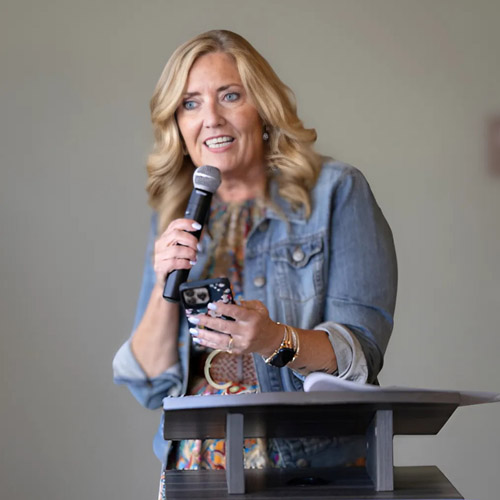 This on-demand professional training program on Essential Knowledge and Skills for Effective Supervision is presented by Donna Sheperis, PhD.
Clinical supervision of counselors, psychologists, marriage and family therapists, and social workers requires more than experience in the field. Approved supervisors in the state of California need to have training in supervision theory, modalities, laws, ethics, and standards of practice. This program provides attendees with the essential tools necessary to provide quality, ethical supervision to trainees in their agencies. Through the use of the didactic and experiential practice, this program helps participants expand their knowledge of basic supervision practice and develop their own supervisory style to best protect clients while developing clinicians under their supervision.
Upon completion of this training, participants will be able to:


Donna Sheperis, PhD, joined the faculty at Palo Alto University in 2016 and currently serves as a Full Professor, Department Chair, and Director of the PAU eClinic. She earned her PhD in Counselor Education from the University of Mississippi and her Master’s degree in Counseling from Delta State University. Donna has taught in both in-person and online formats since 2000. She is a Licensed Professional Counselor in Texas, Arizona, and California; a Board Certified Counselor; a Board Certified Clinical Mental Health Counselor; an Approved Clinical Supervisor; and a Board Certified TeleMental Health Provider, with over 30 years of experience in clinical mental health practice.
Donna has been practicing and training in telemental health since 2016, and under her leadership, the PAU eClinic became the first training clinic to incorporate artificial intelligence (AI) in support of student clinicians’ work. Her research and scholarship focus on the integration of AI, mental health technology (MHT), and innovative educational practices in clinical education and clinical care.
Click the Icon Below to View More Programs by this Presenter
Palo Alto University, Continuing & Professional Studies (CONCEPT) is approved by, recognized by, or maintains sponsorship provider status with the following boards and agencies. We maintain responsibility for all content in our CE/CPD programs. For more information, visit here.
American Psychological Association (APA): Approved sponsor of continuing education for psychologists.
Association of Social Work Boards (ASWB): Approved continuing education provider (ACE program, Provider #1480), 11/22/2023–11/22/2026.
Canadian Psychological Association (CPA): Approved to sponsor continuing education for psychologists.
National Board for Certified Counselors (NBCC): Approved Continuing Education Provider (ACEP No. 7190).
Sponsorship Approval Statements
Palo Alto University, Continuing and Professional Studies (CONCEPT) is approved by the American Psychological Association to sponsor continuing education for psychologists. Palo Alto University, Continuing and Professional Studies (CONCEPT), is approved by the Canadian Psychological Association to offer continuing education for psychologists. Palo Alto University, Continuing and Professional Studies (CONCEPT) has been approved by NBCC as an Approved Continuing Education Provider, ACEP No. 7190. Programs that do not qualify for NBCC credit are clearly identified. Palo Alto University, #1480, is approved to offer social work continuing education by the Association of Social Work Boards (ASWB) Approved Continuing Education (ACE) program. Organizations, not individual courses, are approved as ACE providers. State and provincial regulatory boards have the final authority to determine whether an individual course may be accepted for continuing education credit. Palo Alto University maintains responsibility for this course. ACE provider approval period 11/22/23-11/22/26. Social workers completing this course receive (clinical or social work ethics) continuing education credits. Continuing and Professional Studies, Palo Alto University, is recognized by the New York State Education Department's State Board for Psychology as an approved provider of continuing education for licensed psychologists #PSY-0103. Palo Alto University, Continuing and Professional Studies (CONCEPT) is solely responsible for all aspects of the programs. Palo Alto University, Continuing & Professional Studies (CONCEPT), is recognized by the New York State Education Department's State Board for Social Work as an approved provider of continuing education for licensed social workers #SW-0356. Palo Alto University, Continuing and Professional Studies, is recognized by the New York State Education Department’s State Board for Mental Health Practitioners as an approved provider of continuing education for licensed mental health counselors. #MHC-0073.