
DBT for Substance Use
Presented by: Michele Galietta, PhD
This on-demand professional training progr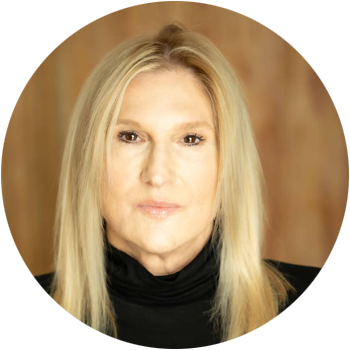 am on Dialectical Behavior Therapy for Substance Abuse is presented by Michele Galietta, PhD.
The program provides a brief overview of standard DBT and introduces the adaptation of DBT for persons with substance use disorders. The program explains strategies and skills designed specifically for use with persons with substance use disorders.
Upon completion of this training, participants will be able to:


Dr. Michele Galietta is Associate Professor of Psychology at John Jay College of Criminal Justice, City University of New York where she served as Director of the Clinical Psychology Ph.D. Program from 2005-2013. Dr. Galietta is a researcher and clinician specializing in the training, adaptation and dissemination of empirically-supported treatments to community and forensic/correctional settings. Her areas of clinical expertise include the assessment and treatment of trauma, self-harm, and suicide across the lifespan. Dr. Galietta has created specialized units and/or consulted to numerous civil, forensic, and correctional settings on risk assessment, risk management, behavioral interventions, and complex needs case formulation.
Dr. Galietta is regarded as a leading expert in the implementation of dialectical behavior therapy. Dr. Galietta is a certified DBT clinician. For over a decade, Dr. Galietta served as a principal trainer for Behavioral Tech, LLC, the company founded by the developer of DBT, Dr. Marsha Linehan. Dr. Galietta has consulted to over 100 agencies in the US and abroad on DBT initiatives. She has worked extensively in public sector settings including state psychiatric hospitals and jails, prisons, and juvenile justice settings. She was principal investigator of an NIMH funded trial of DBT for individuals charged with interpersonal violence or stalking and authored the article, “Adapting DBT for the Treatment of Psychopathy.” She has conducted trainings for New York City Police Officers on mindfulness, communicating with mentally ill individuals, and hostage negotiations. Dr. Galietta has appeared on CNN and Court TV, and has been cited in the New York Times, the Washington Post, Time Magazine, and other media outlets.
Click the Icon Below to View More Programs by this Presenter
Palo Alto University, Continuing & Professional Studies (CONCEPT) is approved by, recognized by, or maintains sponsorship provider status with the following boards and agencies. We maintain responsibility for all content in our CE/CPD programs. For more information, visit here.
American Psychological Association (APA): Approved sponsor of continuing education for psychologists.
Association of Social Work Boards (ASWB): Approved continuing education provider (ACE program, Provider #1480), 11/22/2023–11/22/2026.
Canadian Psychological Association (CPA): Approved to sponsor continuing education for psychologists.
National Board for Certified Counselors (NBCC): Approved Continuing Education Provider (ACEP No. 7190).
Sponsorship Approval Statements
Palo Alto University, Continuing and Professional Studies (CONCEPT) is approved by the American Psychological Association to sponsor continuing education for psychologists. Palo Alto University, Continuing and Professional Studies (CONCEPT), is approved by the Canadian Psychological Association to offer continuing education for psychologists. Palo Alto University, Continuing and Professional Studies (CONCEPT) has been approved by NBCC as an Approved Continuing Education Provider, ACEP No. 7190. Programs that do not qualify for NBCC credit are clearly identified. Palo Alto University, #1480, is approved to offer social work continuing education by the Association of Social Work Boards (ASWB) Approved Continuing Education (ACE) program. Organizations, not individual courses, are approved as ACE providers. State and provincial regulatory boards have the final authority to determine whether an individual course may be accepted for continuing education credit. Palo Alto University maintains responsibility for this course. ACE provider approval period 11/22/23-11/22/26. Social workers completing this course receive (clinical or social work ethics) continuing education credits. Continuing and Professional Studies, Palo Alto University, is recognized by the New York State Education Department's State Board for Psychology as an approved provider of continuing education for licensed psychologists #PSY-0103. Palo Alto University, Continuing and Professional Studies (CONCEPT) is solely responsible for all aspects of the programs. Palo Alto University, Continuing & Professional Studies (CONCEPT), is recognized by the New York State Education Department's State Board for Social Work as an approved provider of continuing education for licensed social workers #SW-0356. Palo Alto University, Continuing and Professional Studies, is recognized by the New York State Education Department’s State Board for Mental Health Practitioners as an approved provider of continuing education for licensed mental health counselors. #MHC-0073.