
Contemporary Legal Challenges in Counseling
Presented by: Theodore P. Remley, Jr., JD, PhD
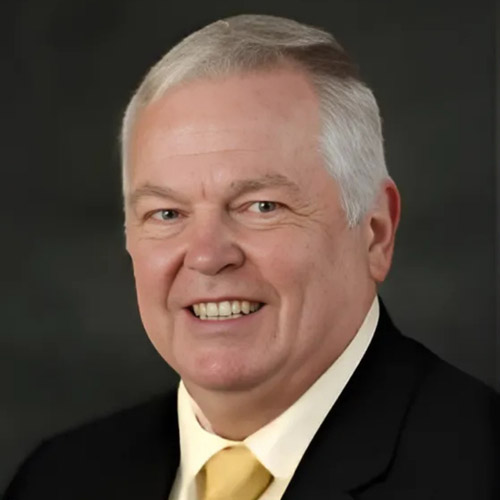
This on-demand professional training program on Contemporary Legal Challenges in Counseling is presented by Theodore P. Remley Jr., JD, Ph.D.
In this program, Dr. Remley discusses some of the most common legal challenges facing contemporary counselors in mental health, school, college, and private practice settings. Topics include managing clients who may be at risk for suicide or violence; counseling children and families involved in child custody disputes; avoiding unwanted court appearances; and dealing with subpoenas. Practice guidelines for managing these legal issues are provided.


Theodore P. Remley, Jr. holds a PhD in Counselor Education and Supervision from the University of Florida and is a Licensed Professional Counselor (LPC) in Louisiana and Mississippi, where he also holds the Supervisor credential. Dr. Remley also holds a JD in law from The Catholic University of America in Washington, DC and is a member of the Virginia and Florida bars. Dr. Remley is a full-time counseling faculty member at the University of Holy Cross in New Orleans, Louisiana. He is the co-author with Dr. Barbara Herlihy of a textbook entitled, Ethical, Legal, and Professional Issues in Counseling, that is published by Pearson Press and is in its 6th edition, and has published numerous refereed journal articles and book chapters on legal and ethical issues in counseling. Dr. Remley has served on counselor licensure boards in four states and is a former executive director of the American Counseling Association.
Click the Icon Below to View More Programs by this Presenter
Palo Alto University, Continuing & Professional Studies (CONCEPT) is approved by, recognized by, or maintains sponsorship provider status with the following boards and agencies. We maintain responsibility for all content in our CE/CPD programs. For more information, visit here.
American Psychological Association (APA): Approved sponsor of continuing education for psychologists.
Association of Social Work Boards (ASWB): Approved continuing education provider (ACE program, Provider #1480), 11/22/2023–11/22/2026.
Canadian Psychological Association (CPA): Approved to sponsor continuing education for psychologists.
National Board for Certified Counselors (NBCC): Approved Continuing Education Provider (ACEP No. 7190).
Sponsorship Approval Statements
Palo Alto University, Continuing and Professional Studies (CONCEPT) is approved by the American Psychological Association to sponsor continuing education for psychologists. Palo Alto University, Continuing and Professional Studies (CONCEPT), is approved by the Canadian Psychological Association to offer continuing education for psychologists. Palo Alto University, Continuing and Professional Studies (CONCEPT) has been approved by NBCC as an Approved Continuing Education Provider, ACEP No. 7190. Programs that do not qualify for NBCC credit are clearly identified. Palo Alto University, #1480, is approved to offer social work continuing education by the Association of Social Work Boards (ASWB) Approved Continuing Education (ACE) program. Organizations, not individual courses, are approved as ACE providers. State and provincial regulatory boards have the final authority to determine whether an individual course may be accepted for continuing education credit. Palo Alto University maintains responsibility for this course. ACE provider approval period 11/22/23-11/22/26. Social workers completing this course receive (clinical or social work ethics) continuing education credits. Continuing and Professional Studies, Palo Alto University, is recognized by the New York State Education Department's State Board for Psychology as an approved provider of continuing education for licensed psychologists #PSY-0103. Palo Alto University, Continuing and Professional Studies (CONCEPT) is solely responsible for all aspects of the programs. Palo Alto University, Continuing & Professional Studies (CONCEPT), is recognized by the New York State Education Department's State Board for Social Work as an approved provider of continuing education for licensed social workers #SW-0356. Palo Alto University, Continuing and Professional Studies, is recognized by the New York State Education Department’s State Board for Mental Health Practitioners as an approved provider of continuing education for licensed mental health counselors. #MHC-0073.