
ABPP: Disability as Diversity
Presented by: Erin Andrews, PsyD, ABPP
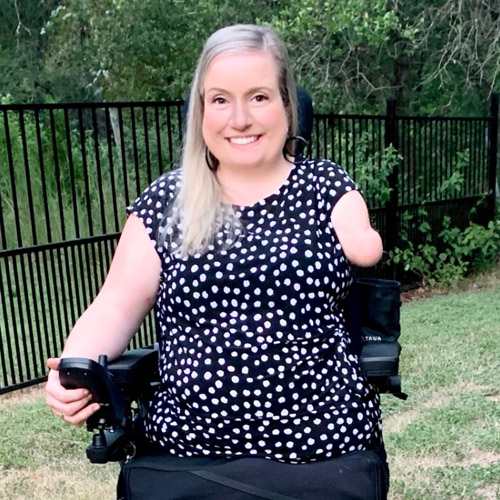
This on-demand professional training program on Disability as Diversity is presented by Erin Andrews, PsyD, ABPP in partnership with the American Board of Professional Psychology (ABPP).
In this program, Dr. Andrews discusses the diversity model of disability and how, although disability is included in most definitions of diversity, it is rarely fully integrated into diversity, equity, and inclusion efforts.
Dr. Andrews presents contemporary trends in disability language and introduces the concept of disability culture. Attendees learn the difference between psychological adjustment to disability and disability identity development.
Pertinent attitudes that affect the lived experience of disabled people are explored. Clinically relevant suggestions for culturally competent care for persons with disabilities are offered.
Upon completion of this training, participants will be able to:


Erin E. Andrews, PsyD, ABPP is the Psychology Program Manager for the Veterans Health Administration VISN 17 Telemental Health Clinical Resource Hub. She is an Associate Professor (affiliated) in the Department of Psychiatry at Dell Medical School, the University of Texas at Austin. She is Board Certified in Rehabilitation Psychology. Dr. Andrews' areas of clinical and research interest include disability identity and cultural competence, disability inclusion in psychology training, sexual and reproductive rights of people with disabilities, disabled parenting, and reducing bias in disability language. She is the author of Disability as Diversity: Developing Cultural Competence, published in 2019 by Oxford University Press.
Key topics covered in this training include:
The Diversity Model of Disability
-Disability as a component of diversity
-Gaps in integration within DEI efforts
Contemporary Trends in Disability Language
-Current approaches to language
-Introduction to disability culture
Adjustment vs. Identity Development
-Psychological adjustment to disability
-Disability identity development
Attitudinal Influences on Lived Experience
-Impact of societal attitudes on disabled individuals
Culturally Competent Clinical Care
-Practical suggestions for clinicians
-Enhancing cultural competence with disabled clients

We are proud to partner with The American Board of Professional Psychology for this training. The American Board of Professional Psychology serves the public by promoting the provision of quality psychological services through the examination and certification of professional psychologists engaged in specialty practice. ABPP is the primary organization for Specialty Board Certification in Psychology. There are currently 15 Specialty Boards and one Subspecialty Board.
Palo Alto University, Continuing & Professional Studies (CONCEPT) is approved by, recognized by, or maintains sponsorship provider status with the following boards and agencies. We maintain responsibility for all content in our CE/CPD programs. For more information, visit here.
American Psychological Association (APA): Approved sponsor of continuing education for psychologists.
Association of Social Work Boards (ASWB): Approved continuing education provider (ACE program, Provider #1480), 11/22/2023–11/22/2026.
National Board for Certified Counselors (NBCC): Approved Continuing Education Provider (ACEP No. 7190).
Sponsorship Approval Statements
Palo Alto University, Continuing and Professional Studies (CONCEPT) is approved by the American Psychological Association to sponsor continuing education for psychologists. Palo Alto University, Continuing and Professional Studies (CONCEPT) has been approved by NBCC as an Approved Continuing Education Provider, ACEP No. 7190. Programs that do not qualify for NBCC credit are clearly identified. Palo Alto University, #1480, is approved to offer social work continuing education by the Association of Social Work Boards (ASWB) Approved Continuing Education (ACE) program. Organizations, not individual courses, are approved as ACE providers. State and provincial regulatory boards have the final authority to determine whether an individual course may be accepted for continuing education credit. Palo Alto University maintains responsibility for this course. ACE provider approval period 11/22/23-11/22/26. Social workers completing this course receive (clinical or social work ethics) continuing education credits. Continuing and Professional Studies, Palo Alto University, is recognized by the New York State Education Department's State Board for Psychology as an approved provider of continuing education for licensed psychologists #PSY-0103. Palo Alto University, Continuing and Professional Studies (CONCEPT) is solely responsible for all aspects of the programs. Palo Alto University, Continuing & Professional Studies (CONCEPT), is recognized by the New York State Education Department's State Board for Social Work as an approved provider of continuing education for licensed social workers #SW-0356. Palo Alto University, Continuing and Professional Studies, is recognized by the New York State Education Department’s State Board for Mental Health Practitioners as an approved provider of continuing education for licensed mental health counselors. #MHC-0073.