
AAFP: Ethics in the Practice of Forensic Psychology: Protecting and Releasing Records, Data, and Other Information
Presented by: Bob Stinson, PsyD, JD, ABPP
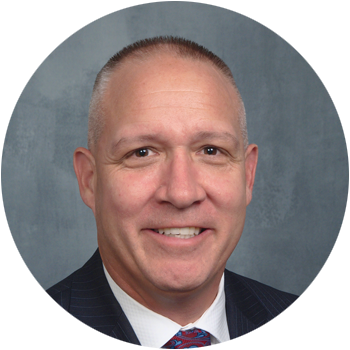 This on-demand professional training program on Ethics in the Practice of Forensic Psychology: Protecting and Releasing Records, Data, and Other Information is presented by Bob Stinson, PhD, JD, ABPP, in partnership with the American Academy of Forensic Psychology (AAFP).
Forensic mental health evaluators are often short-sighted, misinformed about, and/or have a misunderstanding of their rights and responsibilities as it relates to protecting and releasing certain information and records.
This program addresses these rights and responsibilities in the context of 4 specific situations:
Participants gain an understanding of best practices informed by ethics codes, specialty guidelines, professional guidelines, and relevant laws and regulations.
The target audience is primarily forensic mental health evaluators, especially those who work in private practice or don't have immediate access to experienced legal teams that may be available in large agencies, hospital systems, or government agencies.
Upon completion of this training, participants will be able to:


Bob Stinson, Psy.D., J.D., LICDC-CS, ABPP, is a board-certified forensic psychologist, an attorney at law, and a licensed independent chemical dependency counselor – clinical supervisor. Dr. Stinson is listed in the National Register of Health Service Providers in Psychology. He is a Fellow of the American Academy of Forensic Psychology (AAFP) and a Diplomate in forensic psychology with the American Board of Professional Psychology (ABPP). He serves on the faculty of the American Board of Forensic Psychology (ABFP). Dr. Stinson is a Past-President of the Central Ohio Psychological Association, the Ohio Psychological Association (OPA), and AAFP. He is a long-time member and past-Chair of the OPA Ethics Committee. Dr. Stinson has been an Adjunct Professor of Clinical Psychology at Wright State University’s School of Professional Psychology, an Adjunct Professor of Clinical Psychology at The Ohio State University Department of Psychology, a Clinical Assistant Professor in the Department of Psychiatry and Behavioral Health at The Ohio State University Wexner Medical Center, and an Adjunct Professor of Law at The Ohio State University’s Moritz College of Law.
Click the Icon Below to View More Programs by this Presenter

We are proud to partner with the American Academy of Forensic Psychology (AAFP) for this training. AAFP is a non-profit organization of board-certified forensic psychologists whose mission is to contribute to the development and maintenance of forensic psychology as a specialized field of study, research, and practice. The Academy does this by providing high-quality continuing education workshops, providing a forum for the exchange of scientific information among its members, and conferring awards upon outstanding students and practitioners in the field of forensic psychology.
Palo Alto University, Continuing & Professional Studies (CONCEPT) is approved by, recognized by, or maintains sponsorship provider status with the following boards and agencies. We maintain responsibility for all content in our CE/CPD programs. For more information, visit here.
American Psychological Association (APA): Approved sponsor of continuing education for psychologists.
Association of Social Work Boards (ASWB): Approved continuing education provider (ACE program, Provider #1480), 11/22/2023–11/22/2026.
National Board for Certified Counselors (NBCC): Approved Continuing Education Provider (ACEP No. 7190).
Sponsorship Approval Statements
Palo Alto University, Continuing and Professional Studies (CONCEPT) is approved by the American Psychological Association to sponsor continuing education for psychologists. Palo Alto University, Continuing and Professional Studies (CONCEPT) has been approved by NBCC as an Approved Continuing Education Provider, ACEP No. 7190. Programs that do not qualify for NBCC credit are clearly identified. Palo Alto University, #1480, is approved to offer social work continuing education by the Association of Social Work Boards (ASWB) Approved Continuing Education (ACE) program. Organizations, not individual courses, are approved as ACE providers. State and provincial regulatory boards have the final authority to determine whether an individual course may be accepted for continuing education credit. Palo Alto University maintains responsibility for this course. ACE provider approval period 11/22/23-11/22/26. Social workers completing this course receive (clinical or social work ethics) continuing education credits. Continuing and Professional Studies, Palo Alto University, is recognized by the New York State Education Department's State Board for Psychology as an approved provider of continuing education for licensed psychologists #PSY-0103. Palo Alto University, Continuing and Professional Studies (CONCEPT) is solely responsible for all aspects of the programs. Palo Alto University, Continuing & Professional Studies (CONCEPT), is recognized by the New York State Education Department's State Board for Social Work as an approved provider of continuing education for licensed social workers #SW-0356. Palo Alto University, Continuing and Professional Studies, is recognized by the New York State Education Department’s State Board for Mental Health Practitioners as an approved provider of continuing education for licensed mental health counselors. #MHC-0073.