
AAFP: DSM-5-TR: Key Revisions and Implications for Forensic Practice
Presented by: Tracy Thomas, Ph.D., ABPP (Forensic)
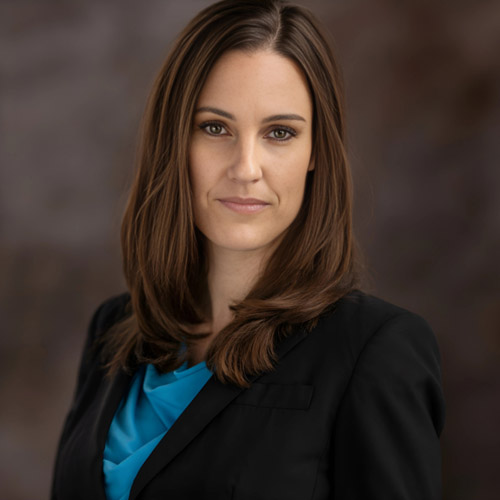 This on-demand professional training program on DSM-5-TR: Key Revisions and Implications for Forensic Practice is presented by Tracy Thomas, PhD, ABPP (Forensic) in partnership with the American Academy of Forensic Psychology (AAFP).
This program reviews key changes from the DSM-5 to the DSM-5-TR relevant to forensic psychological practice. This session also includes education and practice on distinct models of case conceptualization, issues surrounding the DSM and diagnosis, and methods of effectively communicating diagnostic information.
This program addresses the increased attention to culture, racism, and discrimination in the DSM-5-TR. The impact of culture, racism, and discrimination on (1) symptom presentation, (2) attribution and understanding of the cause of psychological disorders, and (3) variations in disorder prevalence across person groups and classes. Participants are provided with both didactic training and practice via case examples.
This program focuses in many regards on applying DSM-5-TR to forensic psychological work but are also relevant to general mental health practitioners and applied clinical and clinical forensic settings.
*Each section will tie back to forensic psychological practice; will not focus on therapeutic practice.*
This program moves beyond the DSM-5-TR to deepen participants' understanding of trauma, distinguishing Type I and Type II trauma, reviewing Adverse Childhood Experiences (ACEs), and examining the ICD-11 framework for Complex PTSD and its differential diagnosis. Participants will also explore mechanisms of harm and the critical role of sociocultural context—including racial, institutional, and intergenerational trauma—in trauma-informed assessment and formulation.
This program is intended for early-career mental health professionals. It is also appropriate for mid- and later-career mental health professionals who are interested in an overview of key changes from DSM-5 to DSM-5-TR.
Upon completion of this training, participants will be able to:


Dr. Thomas has been Board Certified in Forensic Psychology by the American Board of Forensic Psychology since 2015. She maintains a full-time forensic psychology practice, providing forensic evaluation and consultation in a variety of criminal and civil matters. Dr. Thomas received her Ph.D. in clinical psychology from West Virginia University and completed her pre-doctoral internship at the U.S. Medical Center for Federal Prisoners in Springfield, Missouri. After receipt of her doctoral degree, she spent a year as a Postdoctoral Forensic Fellow at Minnesota State Operated Forensic Services in St. Peter, Minnesota. Dr. Thomas is licensed as a psychologist in Iowa, Missouri, and Nebraska. She routinely evaluates sex offender risk, criminal responsibility, and competence to stand trial in criminal matters. She evaluates juveniles for waiver/reverse waiver and Miller issues and provides evaluations in civil personal injury and disability matters. She has recently been involved in state legislation for the provision of outpatient competency restoration services, providing consultation regarding the development of a “bench card,” as well as developing and implementing the training program for agencies providing competency restoration services.
Click the Icon Below to View More Programs by this Presenter
Key topics covered in this training include:
Introduction: Objectives, overarching principles, relevant ethical issues for training
Brief history of DSM
Review of DSM-5: Major theoretical shift from previous DSMs
DSM-5-TR: Major changes to the theoretical approach and diagnoses/diagnostic criteria.
Discussion and case examples: Diagnosis and case conceptualization
Case law and FREs relevant to the implementation of DSM-5-TR
DSM-5-TR: Culture, racism, and discrimination- Rationale for addition to DSM, application to practice.
Discussion questions and case examples: Culture, racism, and discrimination
Main points and conclusions
Becoming Informed (Beyond the DSM-TR)


We are proud to partner with the American Academy of Forensic Psychology (AAFP) for this training. AAFP is a non-profit organization of board-certified forensic psychologists whose mission is to contribute to the development and maintenance of forensic psychology as a specialized field of study, research, and practice. The Academy does this by providing high-quality continuing education workshops, providing a forum for the exchange of scientific information among its members, and conferring awards upon outstanding students and practitioners in the field of forensic psychology.
Palo Alto University, Continuing & Professional Studies (CONCEPT) is approved by, recognized by, or maintains sponsorship provider status with the following boards and agencies. We maintain responsibility for all content in our CE/CPD programs. For more information, visit here.
American Psychological Association (APA): Approved sponsor of continuing education for psychologists.
Association of Social Work Boards (ASWB): Approved continuing education provider (ACE program, Provider #1480), 11/22/2023–11/22/2026.
National Board for Certified Counselors (NBCC): Approved Continuing Education Provider (ACEP No. 7190).
Sponsorship Approval Statements
Palo Alto University, Continuing and Professional Studies (CONCEPT) is approved by the American Psychological Association to sponsor continuing education for psychologists. Palo Alto University, Continuing and Professional Studies (CONCEPT) has been approved by NBCC as an Approved Continuing Education Provider, ACEP No. 7190. Programs that do not qualify for NBCC credit are clearly identified. Palo Alto University, #1480, is approved to offer social work continuing education by the Association of Social Work Boards (ASWB) Approved Continuing Education (ACE) program. Organizations, not individual courses, are approved as ACE providers. State and provincial regulatory boards have the final authority to determine whether an individual course may be accepted for continuing education credit. Palo Alto University maintains responsibility for this course. ACE provider approval period 11/22/23-11/22/26. Social workers completing this course receive (clinical or social work ethics) continuing education credits. Continuing and Professional Studies, Palo Alto University, is recognized by the New York State Education Department's State Board for Psychology as an approved provider of continuing education for licensed psychologists #PSY-0103. Palo Alto University, Continuing and Professional Studies (CONCEPT) is solely responsible for all aspects of the programs. Palo Alto University, Continuing & Professional Studies (CONCEPT), is recognized by the New York State Education Department's State Board for Social Work as an approved provider of continuing education for licensed social workers #SW-0356. Palo Alto University, Continuing and Professional Studies, is recognized by the New York State Education Department’s State Board for Mental Health Practitioners as an approved provider of continuing education for licensed mental health counselors. #MHC-0073.